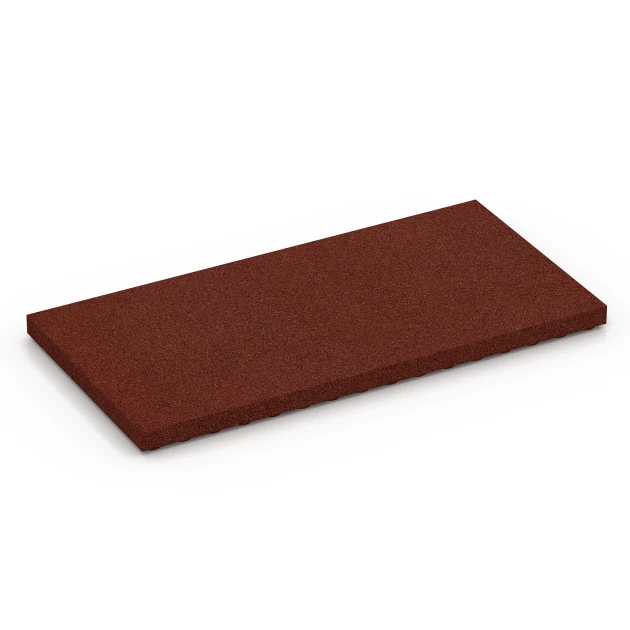
Paddock Mat Premium SD "Brick red"
- /
-
Ready to ship
in approx. 2-3 weeks – production already under way - €63.60 / 2 Piece / m²
- (16.50 kg / Piece)
EAN: 4251469366497 | Item no.: 6649
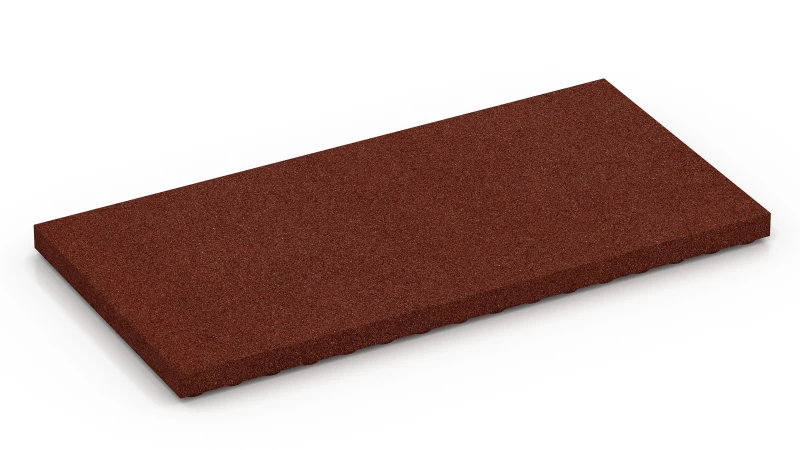
The Paddock Mat Premium is 5 cm thick and weighs 16.5 kg per mat. It is intended for areas where horses stand and walk for long periods, such as paddocks, outside loose boxes, in loose housing and in grazing fields near hay feeders, water troughs and gates. It is also suitable for lying areas in loose boxes, field shelters and loose housing. Paddock mats allow rainwater to drain through, are frost-resistant and have a slip-resistant surface.
What helps prevent mud in paddocks and grazing fields?
Horses spend many hours each day in the paddock and around hay feeders and water troughs in grazing fields. After a few days of rain, the ground in these areas and at the field gate becomes churned up. The horses stand in mud. This softens the hoof horn and irritates the skin at the back of the pastern. This can encourage thrush and mud fever. When installed over a gravel grid base, the Paddock Mat Premium turns the muddy patch into an all-weather surface. Rainwater drains through the mats, so puddles do not form. The paddock mats are slip-resistant whether wet or dry and give slightly under the hoof.
Why is the thick mat suitable for horses to lie on?
Horses only enter deep sleep when lying down. They prefer to lie on a dry, yielding surface. The ground in field shelters and loose housing is often cold and damp. In loose boxes, it is often hard. The 5 cm thick rubber mat insulates against cold from the ground and gives slightly as the horse lies down.
What about urine in the loose box?
Horses are reluctant to urinate on a firm surface because it splashes. In conventional stabling, the loose box is still bedded to absorb urine reliably. Alternatively, a designated toilet area or free access to the paddock can be provided.
How are paddock mats laid?
On concrete or concrete block paving, paddock mats are laid directly on the surface. Outdoors, the area must have a slight gradient so rainwater can drain away beneath the mats. On unmade ground, such as in a paddock, grazing field or field shelter, gravel grids are well suited as a load-bearing layer beneath the paddock mats. The ground beneath the gravel grids must be load-bearing, level and water-permeable. Paddock mats are laid without adhesive in a random bond pattern, with staggered joints. A firm edge restraint around the entire area holds the surface together.
What are paddock mats made from?
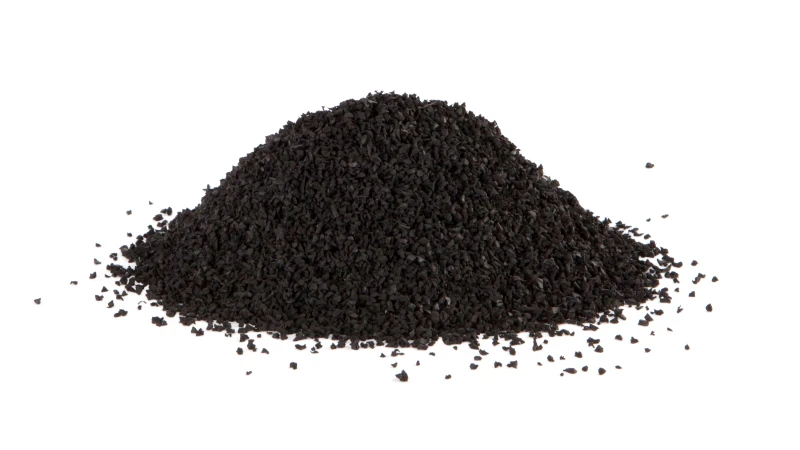
Paddock mats are made from rubber granules produced from end-of-life tyres. A polyurethane binder holds the granules together. Fine channels remain between the granules and allow water to drain away. Their structure and material make the paddock mats permanently frost-resistant.


Discount