EAN: 4251469352698 | Item no.: 5269
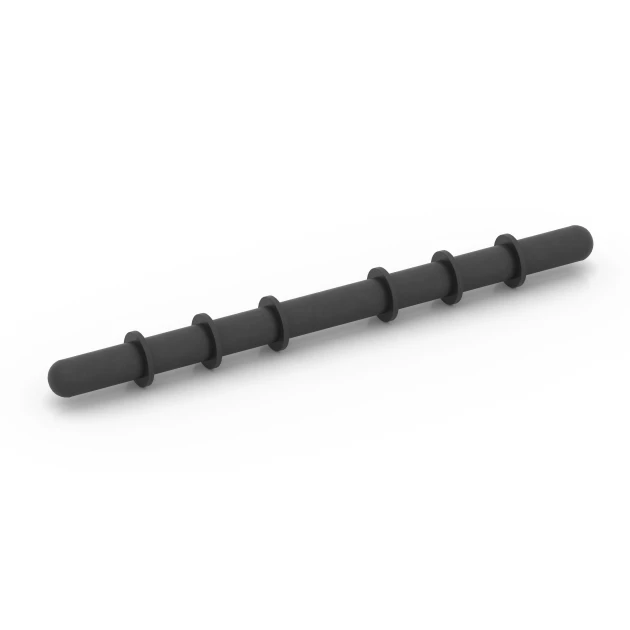
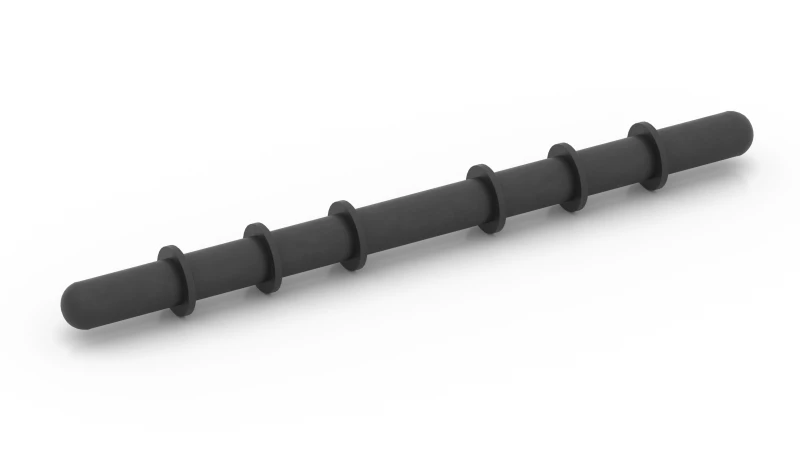
Plastic connectors join tiles made of rubber granules bonded with polyurethane and align moulded elements such as kerbs during installation. The cylindrical pin with circumferential ribs sits tightly in the factory-drilled holes in the side of the tile. It is pushed in by hand and disappears completely into the tiles as they are laid.
How are tiles laid with plastic connectors?
Plastic connectors are fitted into one side of the tile only, usually four per tile. The opposite side has the same holes and receives the connectors from the previous row. The tiles are laid in a half-bond pattern, with each row offset by half a tile length. Each tile is therefore connected to two tiles in the previous row and two in the next. The result is a straight surface with even joints.
How are the plastic connectors fitted?
Plastic connectors are first pressed into the holes of one tile. Part of each pin remains exposed. The next tile is then positioned with its holes over the protruding pins and pushed into place. The tight fit is intentional, so a certain amount of force is normal. Lubricants are unsuitable because they reduce the friction that holds the connector in the hole.
Does the surface need an edge restraint?
Plastic connectors hold the tiles in position at right angles to the pin axis. Along the pin axis, however, the tiles can be pulled apart. The surface therefore needs a firm edge restraint. Alternatively, the connectors are glued into the holes with permanently elastic PU adhesive. They then hold the tiles together lengthways as well.
Where else are plastic connectors used?
Plastic connectors are used mainly to align kerbs, block steps and wall copings made of rubber granules. They help the elements line up quickly during installation. The length and diameter of the connectors are matched to the holes used for the relevant product range. The accessories listed for each product range show which connector fits.