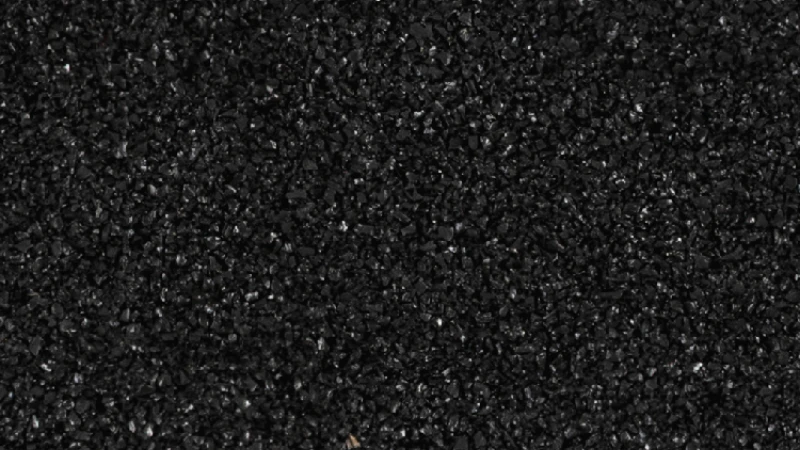
Fitness Performance Basic Training Floor DF "Anthracite"
- /
-
Ready to ship
in approx. 3-4 weeks – production yet to start - €34.50 / 1 Piece / m²
- (20.00 kg / Piece)
EAN: 4251469370746 | Item no.: 7074
Squats in the rack, treadmill intervals and box jumps in a circuit ask a lot of the floor. WARCO’s Fitness Performance Basic Training Floor is made from rubber granules bonded with polyurethane. These gym tiles suit gyms, CrossFit boxes and home gyms. With bevelled edges, they are the affordable entry point to the Fitness Performance range.
How does it feel underfoot?
The flooring feels pleasantly resilient underfoot while providing a stable base for every exercise. The surface offers good grip for lunges, burpees and press-ups. It noticeably cushions footsteps, jumps and dumbbells being set down. Training partners, housemates and neighbours will appreciate this. It also helps protect screed, tiles or parquet from scratches and dents caused by equipment, kettlebells and weight plates.
What training is it made for?
These rubber gym tiles suit the free-weight area just as well as the cardio area. They also work for CrossFit, HYROX and boxing training. Racks and cardio machines can stand directly on the tiles. If you regularly set down heavy weights, choose the thickest version.
How tough are the tiles?
Even at this price, the flooring has the quality of a professional gym floor. With a density of 1,000 kg/m³, the tiles are compact and made for daily gym use. Each tile is moulded in one piece from fine rubber granules bonded with polyurethane, and every edge is bevelled. The abrasion-resistant surface withstands intensive training. A vacuum cleaner, broom or mop is enough for routine cleaning. A floor-cleaning machine can also be used in a gym. New tiles may initially smell of rubber, but the smell fades after a short time.
How are the tiles laid?
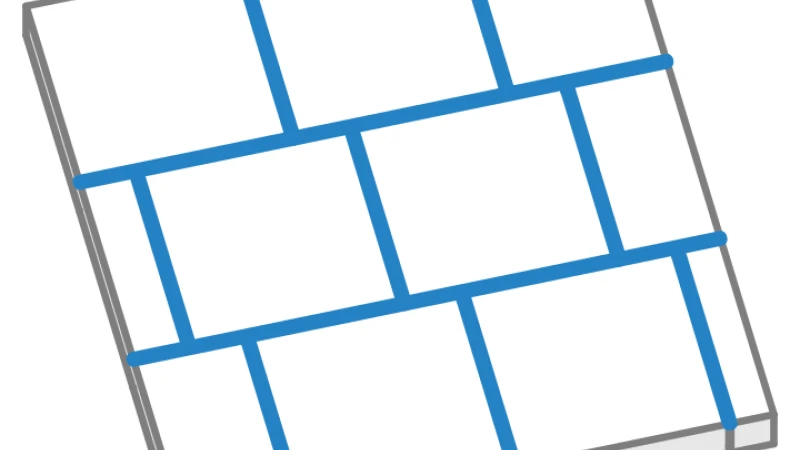
The substrate must be structurally sound, stable and largely level. Examples include screed, concrete or tiles. The tiles are laid loose in a random bond pattern with irregularly staggered joints. The bevelled edges keep the joints visible. If you want to fix the tiles in place, attach them to the substrate with double-sided carpet tape. The tape can be removed later. Cut edge tiles to size with a jigsaw or circular saw.
How can I increase the cushioning?
Suitable functional tiles can be placed beneath the gym tiles. This layered build-up lets you tailor impact sound insulation and shock absorption to each training zone, from the deadlift area to the stretching corner.

Discount